


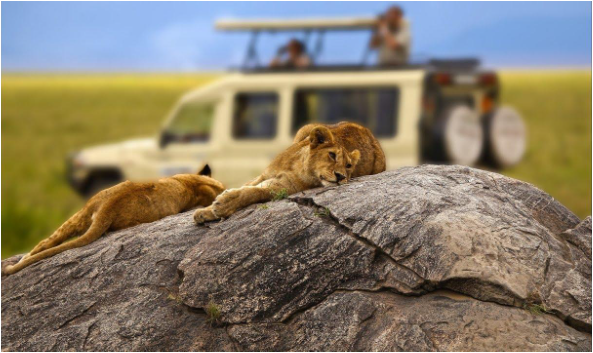
The engine is off. A lion rests in the shade, barely moving, completely at ease. Vehicle remains at a respectful distance, spread out, quiet. Nothing feels rushed. No one is trying to get closer than necessary. And because of that space, the moment feels real. The best safari moments are rarely crowded.
On a true Serengeti Safari Viewing experience, the focus gradually shifts from counting animals to understanding how they behave when left undisturbed. Distance, angle, patience, and positioning shape what travelers actually witness. A single calm sighting often reveals more than a long list of rushed encounters. The most meaningful safaris are not defined by number but by the quality of observation and the respect shown to wildlife.
Why Ethical Distance Changes Wildlife Behavior
Space allows animals to stay wild. Maintaining the appropriate wildlife viewing distance, per Tanzania National Park guidelines, helps animals maintain their natural behavior. When vehicles crowd too closely, wildlife may become alert, move away, or alter behavior. But when given room, predators rest naturally, herds graze calmly, and interactions unfold without interference.
This respectful spacing create more authentic encounter. A cheetah scanning the plain or an elephant moving through woodland behaves differently when it feels unpressured. Observing these natural rhythms is what defines ethical safari viewing in Tanzania.
Keeping distance also protects animals from stress and supports long-term conservation. Over time, consistent, respectful viewing helps wildlife remain comfortable with the Tanzania Safari Vehicle while remaining natural. For travelers, this results in experiences that feel genuine rather than staged.
The Importance of Viewing Angles in Safari Observation
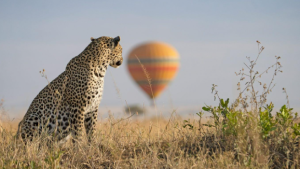

How you see matters more than how much you see. Positioning plays a significant role in Serengeti wildlife observation. The direction of light, the angle of approach, and the surrounding landscape all influence what becomes visible. A well-positioned vehicle can reveal subtle behavior, eye contact between predators, movement in tall grass, or communication within a herd that might otherwise go unnoticed.
Morning and late afternoon light shape visibility and mood. Approaching with the sun behind you improves clarity and reduces disturbance. Observing from slightly elevated ground or at a thoughtful angle provides context for how animals interact with their environment.
For photographers and observers alike, understanding the Serengeti’s safari photography angles enhances the experience. Rather than rushing to be close, experienced guides focus on positioning that allows travelers to see behavior clearly and respectfully.
Quality Sightings Versus Quantity of Animals
One honest moment outweighs ten rushed sightings. Many first-time travelers imagine a safari as a race to see as many animals as possible. But over time, most realize that the most memorable moments come from a few, deep encounters. Watching a pride of lions interact, observing elephants at a water source or following a herd across open plain offer far more insight than quickly moving from one sighting to the next.
Prioritizing quality over quantity transforms the rhythm of a Serengeti Safari Viewing experience. Travelers spend more time observing and less time chasing. The result is calm viewing, rich understanding, and a strong emotional connection to what’s happening in front of them.
These slow, more intentional encounters often lead to clear memories and better photographs. They also align with the principle of responsible safari Tanzania travel, where respect for wildlife takes priority over checklists.
How Experienced Guides Position Vehicles Thoughtfully
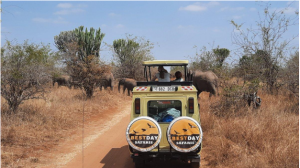

Good viewing is intentional, not accidental. Skilled guides understand that positioning affects everything. They read wind direction, terrain, animal posture, and light before deciding where to stop. Instead of driving directly toward wildlife, they anticipate movement and place vehicles where animals are likely to pass naturally.
This thoughtful approach keeps animals comfortable while providing travelers with excellent viewing opportunities. Guides may wait quietly for a herd to approach rather than pursuing it. They may position vehicles to avoid blocking the path of movement or to keep the sun at an optimal angle.
Such a decision distinguishes between rushed sighting and meaningful observation. Travelers following Tanzania Travel Guides often discover that the best moments happen when guides prioritize patience and awareness over speed.
Why This Approach Defines Responsible Serengeti Safaris
Respect shapes the future of wildlife tourism. Ethical viewing practices support both conservation and the visitor experience. Maintaining distance, minimizing noise, and avoiding crowding protects wildlife and preserves natural behavior patterns. Over time, these practices ensure that future travelers can witness animals in an environment that still feels wild and undisturbed.
A responsible safari approach in Tanzania also supports park regulations and conservation goals. When guides and travelers follow respectful viewing standard they help maintain a balance between tourism and wildlife protection. This balance is essential for the long-term sustainability of Tanzania’s protected areas.
Understanding how distance and angle affect sightings helps travelers view safaris differently. The focus shifts from getting as close as possible to observing as thoughtfully as possible. This mindset creates experiences that feel calm, more authentic, and more rewarding.
Experience Serengeti Safari Viewing focused on respectful distance, thoughtful positioning, and meaningful moments that allow wildlife to behave naturally.