



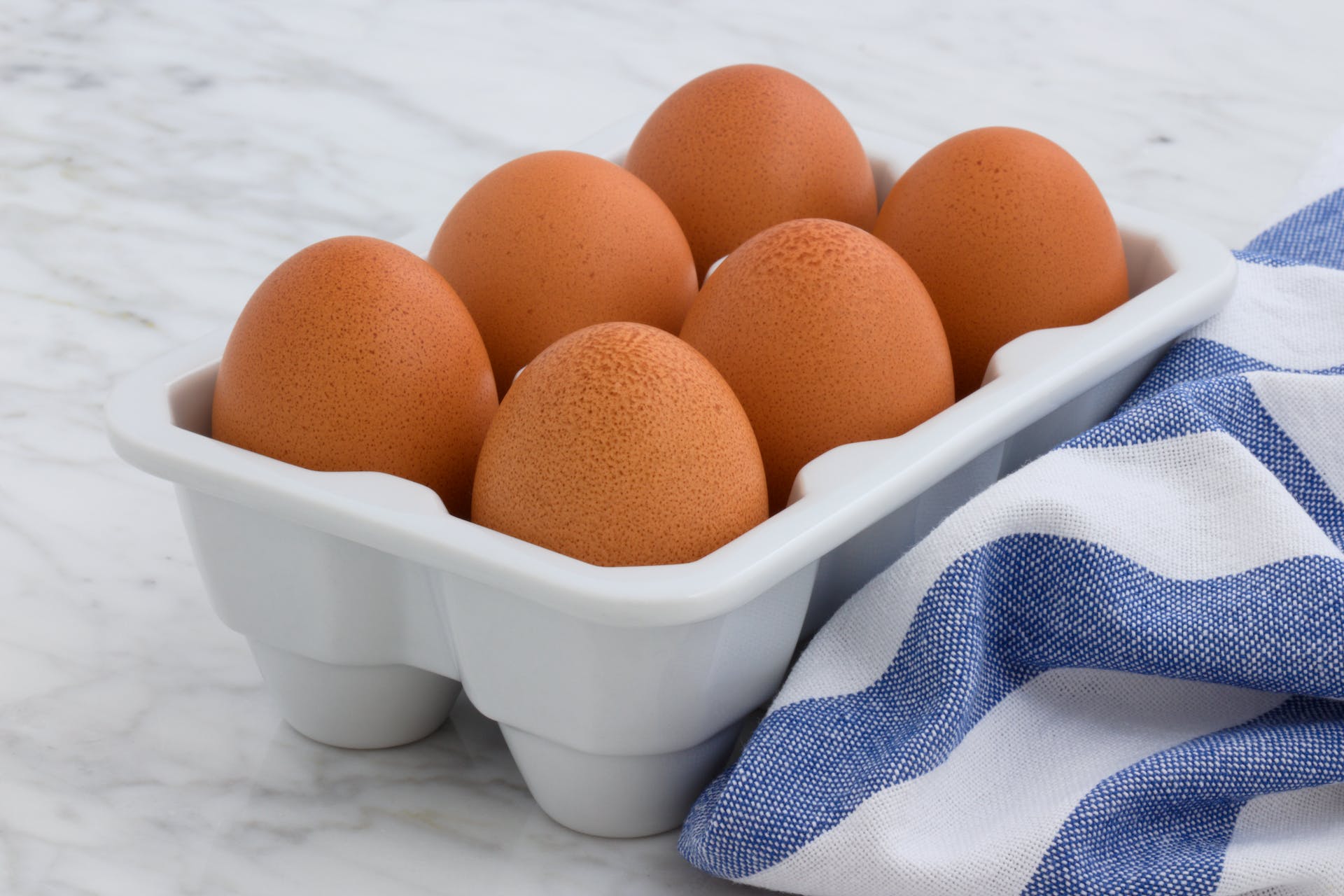
Eggs are arguably among the most versatile food on the planet. They can be used in countless ways as standalone meals, side dishes, or additions to an array of recipes. They’re packed with protein, and they’re delicious virtually any way you prepare them. Of course, they certainly have a few drawbacks. They don’t last very long even in the refrigerator, and they can’t be frozen to maintain their freshness. They’re also highly fragile and not very mobile in their original form. Fortunately, powdered eggs offer all the versatility of their conventional counterparts with quite a few added benefits.
Delving Into the Many Benefits of Powdered Eggs
To some people, powdered eggs may not sound incredibly appealing. After all, how can you go from a liquid-like substance to a mere powder without losing something in the translation? In truth, these wonders of the food world can be a valuable addition to your culinary repertoire. Whether you’re gearing up for mass-production pastries or stocking up on powdered eggs emergency food, they can certainly come in handy. Powdered eggs offer an array of advantages.
Easy Storage
One of the advantages of powdered eggs is easy storage. Unlike fresh eggs, they don’t require refrigeration. That means they don’t take up a great deal of space in your refrigerator the way fresh eggs do. You can stack them neatly on a shelf to draw from as needed without worrying about them going bad. You don’t have to be gentle with them, either. They won’t crumble and leave behind a sticky mess if you stack them a little too roughly.
Long Shelf Life
Powdered eggs have a long shelf life as well. They can last for years as long as they’re stored in a cool, dry place and their packaging remains intact. That makes them an excellent choice for emergency food supplies, camping trips, and situations where access to fresh eggs may be limited. You can even keep a supply of them on hand just in case you forget to buy eggs at the supermarket. Since they don’t spoil, they’ll be readily available when you need them.
Convenience and Simplicity

At the same time, powdered eggs are simple to use. All you have to do is measure out the necessary amount of egg powder based on the number of eggs you need. Then, follow the provided instructions for adding water to reconstitute them. There’s no need to crack one egg after another and continually pick out rogue pieces of shell. They save time and hassle. Though you may have to allow them a few minutes to fully reconstitute, they’re still faster than the traditional route.
Versatility
Versatility is another benefit of powdered eggs. They’re extremely flexible as meals or recipe inclusions. If you want scrambled eggs or an omelet, simply reconstitute them as mentioned earlier, and cook them as you would fresh eggs. They can also be used in countless recipes that require eggs. Cakes, cookies, breads, quiches, frittatas, and breakfast casseroles are only a few of the possibilities. Powdered eggs may need to be reconstituted for some recipes, but they can be used as-is in others. They can also be used as thickening agents, binders, and many other helpful recipe additions.
Nutritional Value
Of course, the nutritional value of powdered eggs can’t be overlooked. Eggs are known as a great source of protein, and the powdered versions are no different. They’re packed with protein that’s essential for building and repairing muscle tissue. This vital nutrient also gives us energy, maintains bone health, and aids in hormone production. Powdered eggs contain minerals like iron, zinc, phosphorus, and calcium too. They also provide vitamins A, D, E, B6, and B12. They’re extremely nutritious on top of their versatility and other benefits.
Safety
Safety is also an added benefit of powdered eggs. Extensive measures are taken during the dehydration process to ensure powdered eggs are safe for consumption. Besides that, they don’t spoil the way fresh eggs do. Eating expired eggs can place you at risk of salmonella and other potentially dangerous foodborne illnesses. That’s not a problem with powdered eggs, so there’s no need to worry about whether they’re fresh or if they were properly handled and refrigerated before you bought them. As noted before, if their packaging is intact, they’re safe to eat.
Easy to Handle and Transport
Powdered eggs are easier to handle and transport than fresh eggs as well. Fresh eggs are painfully fragile as anyone who’s ever worked with them can testify. If you drop them, you have a serious cleanup job on your hands. If, heaven forbid, you drop an entire carton or case of eggs, such a mishap could make for a small-scale disaster.
That’s not an issue with powdered eggs. They’re light, compact, and unbreakable. You can easily take them along on outings or as part of an emergency bug-out food supply. You don’t have to worry about dropping them, packing them with utmost care, or keeping them refrigerated.
Long-Term Storage
Because of their extended shelf life, powdered eggs can easily handle long-term storage. That makes them perfect for emergency stockpiles. They’re also a popular choice for people who simply want to be prepared for hard times. They last for years, so you can put them aside for when you need them without worrying about them spoiling before that time comes.
Reduced Waste
Reduced waste is another factor to consider. Fresh eggs quickly go bad. If you don’t use them before they spoil, they have to be thrown away. Many people are overly cautious of the dangers of eating expired eggs, so they throw them away before they actually expire. After all, it’s better to be safe than sorry, right? By some estimates, more than 200 million fresh eggs go to waste every year. With powdered eggs, you don’t have to worry about a fast-approaching expiration date, so there’s less waste to contend with.
How Are Powdered Eggs Made?
With all that being said, you may be wondering where powdered eggs come from. They actually start out their lives as farm-fresh eggs. Those eggs undergo rigorous inspection processes to ensure they’re fresh and up to par with industry standards. From there, the eggs that make the cut are thoroughly cleaned to get rid of any impurities and germs on their shells. Then, they’re sent through a machine that cracks them and separates the yolks from the whites.
After being separated, the egg yolks and whites are whisked to keep their different characteristics intact. Then, the two are mixed together. This distinct process helps to preserve the eggs’ natural properties while ensuring they have the right consistency when they’re used. Once they’re mixed back together, the eggs undergo pasteurization to eliminate harmful pathogens they may be harboring. That entails heating them to a temperature that’s high enough to kill bacteria and other microorganisms without detracting from the quality of the eggs themselves.
When they’re free of potential pathogens, the liquid eggs are dehydrated. A few methods are used for this portion of the process, but freeze-drying and spray-drying are the most common. In spray-drying, the liquid eggs are sprayed into a chamber filled with hot air. That quickly evaporates the moisture from the eggs and leaves behind fine solid particles. Freeze-drying involves freezing liquid eggs and placing them in a vacuum where frozen water is transformed directly from ice to vapor. That, in turn, leaves behind a dry powder.
After Becoming Powder
In either process, the powdered eggs left behind retain their nutritional value, including protein, vitamins, and minerals. They’re simply in a more concentrated form than they were before. Eliminating the moisture is what gives powdered eggs their extended shelf life.
Once they’re in powdered form, the eggs are subjected to extensive quality checks to be sure they comply with safety standards. They’re also tested in small batches to ensure they have the taste and texture they’re supposed to. After being approved for quality, they’re packaged in airtight containers or vacuum-sealed pouches. That protects them against moisture and oxygen that could cause them to degrade over time.
Unleashing the Power of Powdered Eggs
Powdered eggs offer an array of benefits from high nutritional value to an extended shelf life. They’re extremely versatile, and they don’t go bad after only a few weeks. They don’t break at will under the slightest pressure, and they’re easy to carry along on outings. They save space in your refrigerator, and they’re completely safe for consumption. They’re great for breakfast, lunch, dinner, or high-protein snacks. They’re perfect for a vast range of purposes from baking extravaganzas to emergency survival situations and beyond.
Because of their versatility, longevity, and other advantages, powdered eggs are an important addition to any kitchen whether it’s in a home, a commercial setting, or an emergency bunker. They’re equally valuable at campsites. Whether you’re looking for a hearty bowl of egg drop soup, a delicate pastry, or a satisfyingly dense meatloaf, powdered eggs can help make it happen. Many people might argue that fresh eggs are always best, but if they’re not available, powdered eggs can certainly fill the bill.


