


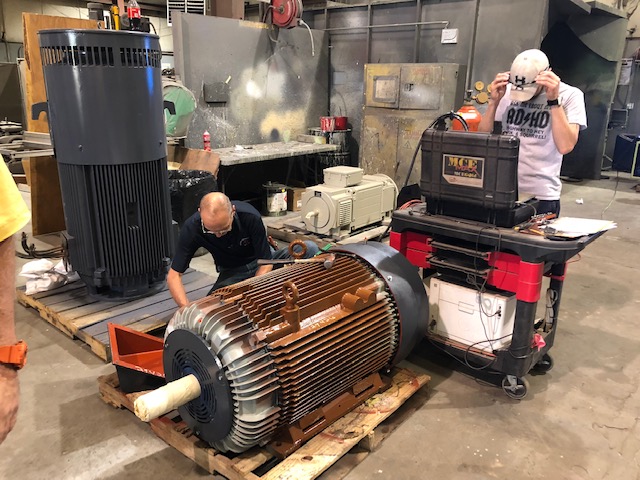
Electric motors are integral to various industries, driving an array of machinery and equipment. Despite their robustness and efficiency, they are not immune to failures. Understanding the most common cause of electric motor failure is essential for preventive maintenance and ensuring continuous operation. This blog post delves into the predominant reasons behind electric motor failures and how they can be addressed.
Overheating: The Leading Culprit
Why Overheating Occurs
The consensus among professionals in the field, including those at your trusted electric motor repair shop, is that overheating is the most common cause of electric motor failure. Overheating can occur due to several reasons:
- Overloading: Operating a motor beyond its capacity can lead to excessive heat generation.
- Poor Ventilation: Inadequate cooling or blockage in the ventilation system prevents heat dissipation.
- Environmental Factors: High ambient temperatures or operation in hot conditions without adequate cooling measures can cause overheating.
- Electrical Overload: Incorrect electrical supply or voltage imbalances can increase heat generation.
The Impact of Overheating
When an electric motor overheats, its insulation system suffers. The insulation keeps the electrical currents within their pathways, and when it breaks down, it can lead to short circuits, phase-to-phase failures, or ground faults. Ultimately, continuous overheating significantly reduces the motor’s lifespan and leads to premature failure.
Addressing Overheating
Regular Maintenance
Routine inspections and maintenance by a professional electric motor repair shop can identify and rectify issues leading to overheating. This includes cleaning vents, checking for blockages, and ensuring the motor operates within its design specifications.
Proper Sizing and Operation
Ensure that the motor is correctly sized for its application. An undersized motor will continuously operate under stress, leading to overheating. Additionally, operate the motor according to the manufacturer’s guidelines to avoid overloading.
Environmental Control
Implement cooling systems or ventilation to maintain an optimal operating temperature. Keep the motor and its surrounding area clean and free from debris that could block cooling paths.
Electrical Checks
Regularly inspect and maintain the electrical connections and supply to the motor. Ensure that the voltage supply is stable and matches the motor’s requirements. Unbalanced voltages can lead to uneven motor loading and excessive heat generation.
Other Notable Causes of Failure
While overheating is a primary concern, it’s also essential to be aware of other common causes of motor failure:
- Bearing Failures: Bearings reduce friction in the motor’s moving parts. When they wear out or fail, they can cause the motor to overheat and fail.
- Moisture and Contamination: Exposure to moisture or contaminants can corrode parts and lead to insulation failure.
- Vibration: Excessive vibration, often due to misalignment or imbalance, can lead to mechanical failures and overheating.
Conclusion
The most common cause of electric motor failure is overheating, often due to overloading, poor ventilation, environmental factors, or electrical issues. By understanding the signs of overheating and implementing preventive measures, the life of an electric motor can be significantly extended. Regular maintenance by a professional electric motor repair shop can diagnose potential issues early, reducing downtime and repair costs. Remember, a proactive approach to motor maintenance is key to ensuring the longevity and efficient operation of your electric motors. Whether it’s through improved operational practices, environmental controls, or regular professional check-ups, safeguarding your electric motors against the common pitfalls of overheating will lead to more reliable and sustainable performance.