


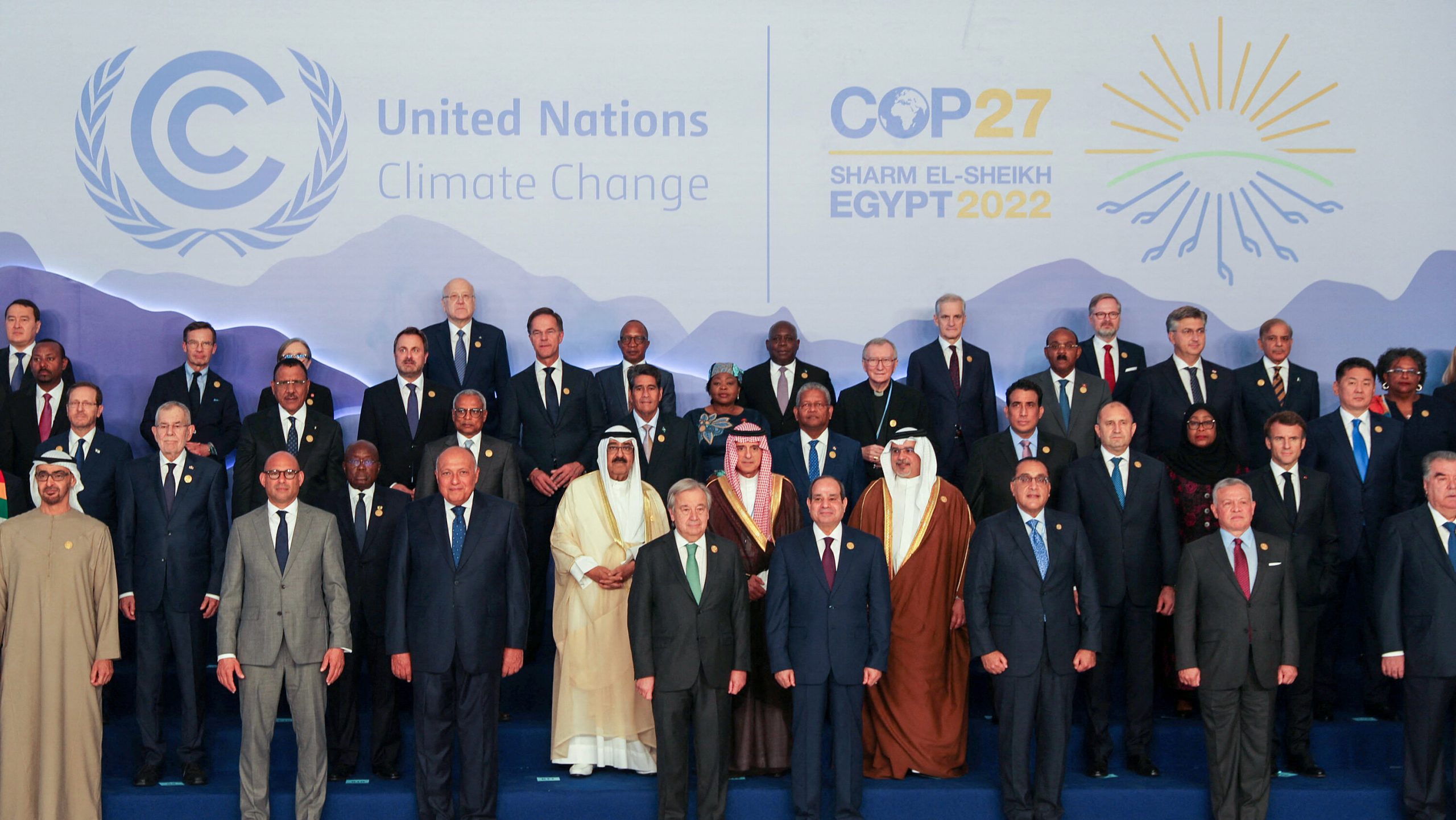
The Global Summit on Climate Action represents a pivotal moment in international efforts to address the pressing issue of climate change. This comprehensive overview delves into the significance, key themes, outcomes, and challenges associated with this landmark event.
Background and Significance
- Urgency of Climate Change: The summit comes at a time when the effects of climate change are increasingly evident worldwide, highlighting the urgency of global action.
- International Collaboration: It serves as a platform for world leaders, scientists, and activists to collaborate on effective strategies to mitigate climate change impacts.
- Setting Ambitious Goals: The summit aims to set ambitious, achievable targets for reducing global greenhouse gas emissions and promoting sustainable practices.
Key Themes of the Summit
- Emission Reductions: A primary focus is on strategies to significantly reduce carbon emissions, with an emphasis on transitioning to renewable energy sources.
- Sustainable Development: Discussions on aligning economic development with environmental sustainability are central, recognizing the need for a balance between growth and conservation.
- Adaptation and Resilience: The summit addresses the need for communities, particularly in vulnerable regions, to adapt to climate change and enhance their resilience.
Major Outcomes and Commitments
- Global Emission Targets: One of the expected outcomes is the establishment of more stringent, universally agreed-upon emission reduction targets.
- Financial Pledges: Developed countries are anticipated to pledge financial support to developing nations, aiding them in climate change mitigation and adaptation efforts.
- Innovative Solutions: The summit is likely to showcase and promote innovative technologies and approaches to combat climate change.
Challenges and Controversies
- Political Will and Cooperation: Achieving consensus among diverse nations, each with its own economic and political interests, is a significant challenge.
- Implementation and Accountability: Ensuring that commitments made during the summit are implemented and that nations are held accountable is a critical issue.
- Equity and Justice: Balancing the needs of developed and developing countries, and addressing the concerns of climate justice, are complex aspects of the climate conversation.
Potential Impact and Future Directions
- Catalyst for Action: The summit has the potential to be a catalyst for meaningful, sustained action against climate change.
- Influencing National Policies: Outcomes from the summit may influence national policies, leading to more aggressive climate action plans in individual countries.
- Public Awareness and Participation: The summit also plays a role in raising public awareness about climate change and the need for urgent action, potentially leading to greater public participation in climate initiatives.
Conclusion
The Global Summit on Climate Action marks a critical juncture in the fight against climate change. Its success hinges on the collaboration, commitment, and innovative spirit of participants. The actions and decisions taken during this summit could shape the global response to climate change for years to come, highlighting its immense importance and potential impact on future generations.